


The Chilling Reality Behind Modern Nativity Scenes
The holiday season brings traditions, decorations, and cherished family moments. Among these, nativity scenes stand out as powerful symbols of the Christmas spirit. However, these displays have transformed over the years, revealing a different reality behind the peaceful portrayals we are accustomed to. This exploration highlights the chilling aspects of modern nativity scenes while examining their cultural significance, diversity in representations, and the historical contexts that shape them.
The Shift in Representation
In the past, nativity scenes were largely homogeneous, depicting a serene gathering of Mary, Joseph, and the baby Jesus. These representations often glossed over the complex realities many people face, particularly those living in conflict or suffering.
As social dynamics change, artistic expressions have also evolved. Today, nativity scenes frequently incorporate local customs and societal issues, offering varied portrayals of the Holy Family. For instance, in many contemporary setups, Mary and Joseph are depicted as modern refugees, highlighting the plight of millions displaced by conflict or natural disasters. In fact, according to the United Nations, there are over 26 million refugees worldwide today, forcing many to draw parallels between the past and present.
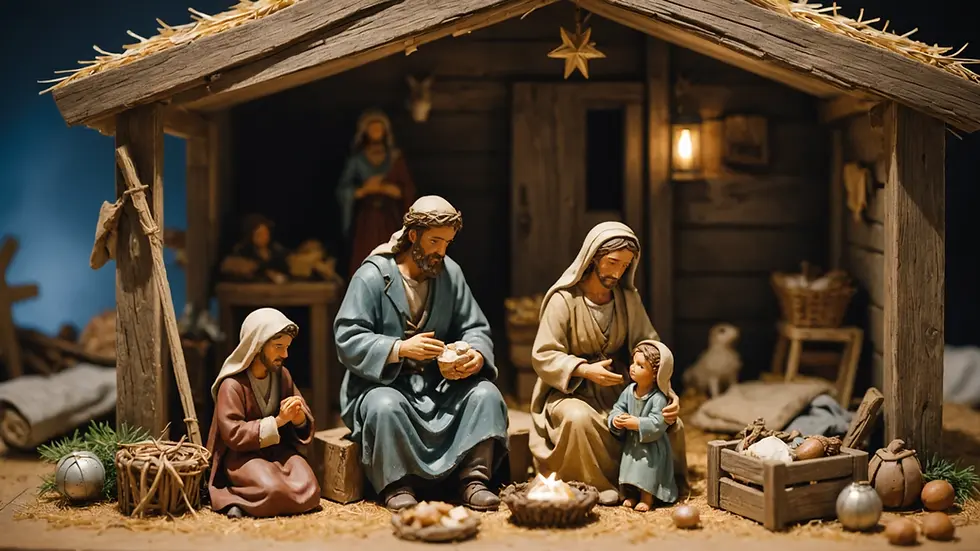
These updated nativity scenes not only provoke discomfort but also encourage reflection. By connecting faith with contemporary struggles, they prompt viewers to consider the broader implications of the Christmas story in the context of today’s global challenges.
Cultural Insights and Diversity
One of the most striking aspects of modern nativity scenes is their ability to reflect diverse cultural perspectives. Artists around the world incorporate local traditions into their depictions, enriching the nativity narrative.
For instance, in Latin America, nativity scenes often feature indigenous figures alongside the Holy Family. In Ethiopia, you might find angels with African features, creating a representation that resonates with the local community. In these variations, nativity scenes become symbols of hope and resilience amid adversity, showing how different cultures view the birth of Jesus.

This cultural diversity invites communities to see themselves in the nativity story, transforming a singular narrative into a tapestry of experiences. However, it also raises questions about authenticity. Some interpretations might oversimplify or romanticize complex cultural narratives, leading to discussions about respect and representation.
The Historical Context
To fully grasp the chilling reality behind modern nativity scenes, we must consider their historical context. The nativity story has long been a source of artistic inspiration, but contemporary interpretations are often influenced by current socio-political issues.
Many artists draw inspiration from real-world events that mirror the circumstances of Jesus' birth, which occurred during political oppression and social upheaval. Today’s nativities often reflect issues such as migration, poverty, and violence. For example, a recent scene in a city environment captures the essence of urban life, portraying the Holy Family among modern societal challenges.

Such representations compel viewers to confront the realities faced by many people today. They serve as reminders that the holiday season is not only a time for celebration but also an opportunity for reflection and action regarding social issues.
The Psychological Impact
Modern nativity scenes can have profound psychological effects on viewers. By presenting stark and uncomfortable realities, these scenes might evoke feelings of empathy, guilt, or even overwhelm.
When people encounter imagery depicting struggle and hardship, their emotional responses can vary widely. Some may feel an urgent call to action, fostering community ties. Conversely, others might feel paralyzed by the vastness of the issues presented.
Balancing these emotional reactions is essential. While raising awareness about societal challenges, especially during a season associated with hope, the presentation of such realities should inspire constructive dialogue and meaningful action.
Navigating Tradition with Contemporary Issues
As society advances, the challenge remains: how to blend the traditional elements of the nativity story with modern realities. Artists must navigate the delicate balance between updating representations and respecting those who cherish traditional scenes.
Incorporating contemporary elements can refresh the nativity narrative while keeping true to its core message. For instance, scenes that depict modern characters and settings can illuminate ongoing conversations about justice and compassion, expanding the narrative's relevance for today’s audience.
The Role of Education and Awareness
With a surge in diverse nativity scenes, educating viewers is crucial. The realities depicted in these scenes challenge preconceived notions and can drive meaningful conversations.
Religious institutions, community initiatives, and educators play vital roles in guiding discussions around these modern interpretations. When audiences understand the contexts behind different nativity scenes, they engage more deeply, fostering greater appreciation for the stories being told.
Enhancing public awareness ensures these modern depictions don't merely provoke shock. Instead, they can inspire compassion and a sense of accountability, motivating individuals to engage with the pressing issues of our time.
Reflecting on the Message of Nativities
As we decorate our homes with nativity scenes this holiday season, we must acknowledge the chilling realities some modern interpretations embody. They have the power to inspire thought, encourage self-reflection, and motivate action on contemporary global issues.
Embracing diversity in representation, recognizing historical contexts, and promoting education can lead to a richer dialogue about these beloved symbols.
Ultimately, modern nativity scenes transcend simple decorations. They serve as vital connections between the timeless story of Jesus' birth and the urgent challenges we face today. By reflecting on these scenes, we uphold their messages of hope, resilience, and unity, reminding ourselves of the relevance of the nativity story in our ongoing quest for understanding and compassion.


Comments