


How to Start Reading The Bible: A Beginner's Guide
Starting to read the Bible can feel overwhelming, especially with its ancient language and complex stories. Many beginners wonder where to begin. This guide provides simple steps and insights to help you read the Bible confidently and meaningfully.
Understand the Structure of the Bible
Before you start reading, it’s useful to know the Bible's basic structure. The Bible is divided into two main sections: the Old Testament and the New Testament.
The Old Testament has 39 books that include the Torah (the first five books), historical narratives, poetry, and prophetic writings. For instance, Genesis, the first book, shares the creation story and the beginnings of humanity.
The New Testament consists of 27 books focusing on Jesus Christ's life, the early church, and letters to various Christian groups. Understanding this structure helps provide clarity as you explore the text.
Choose a Translation That Works for You
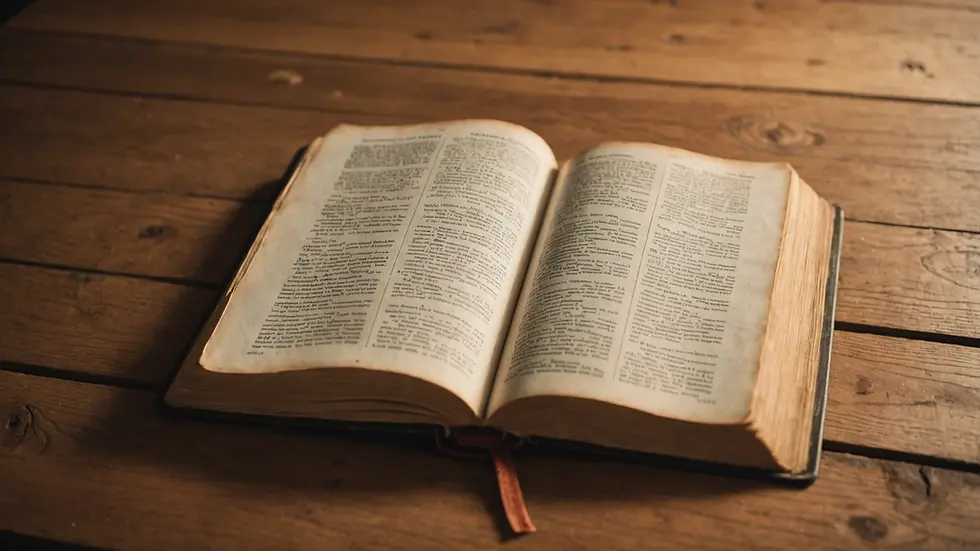
The Bible has many translations, each offering a different style and level of readability. Beginners might feel swamped by options, but selecting the right translation can greatly enhance your reading experience.
For a smooth start, consider the New International Version (NIV), English Standard Version (ESV), or New Living Translation (NLT). For example, the NIV is praised for its balance of accuracy and readability, making it accessible for newcomers.
Take the time to experiment with these translations. You may find that certain versions resonate with your understanding and preferences better than others.
Set Realistic Expectations
When approaching the Bible, it’s essential to have realistic expectations. This is not a book you rush through in a week; rather, it serves as a lifelong resource for spiritual growth.
Start small by dedicating just 10-15 minutes a day to reading. Many beginners find that focusing on one chapter or even a few verses can provide ample material for reflection. Gradually, as you become more comfortable, increase your reading time.
Don't feel pressured if you encounter challenging passages. For instance, parts of the Old Testament can be intricate or far removed from modern life. Take your time, and revisit tough sections as needed.
Create a Dedicated Reading Time and Space
Setting aside specific time and space for your Bible reading can enhance your experience. Choose a quiet corner where you can read without distractions.
Many people find mornings ideal for reading, as it allows for reflection before the day begins. Others prefer winding down in the evening. Creating a regular routine helps turn Bible reading into a daily habit that fits your lifestyle.

Begin with the Gospels
A great starting point for beginners is the Gospels—Matthew, Mark, Luke, and John. These four books present the story of Jesus' life, his teachings, and his miracles, forming the core of Christianity.
For example, the Sermon on the Mount in Matthew 5-7 contains key teachings about love and forgiveness. After exploring the Gospels, consider delving into the Acts of the Apostles to learn about the early church's growth and challenges.
Utilize a Study Bible or Resources
A study Bible can be an excellent resource. It offers commentary, cross-references, and explanations for difficult passages, which are helpful for understanding context. For instance, a study Bible might clarify cultural practices from biblical times that can inform your reading.
Online resources and Bible apps can also enhance your study experience. Websites like BibleGateway.com allow access to multiple translations and helpful tools.
You might also join a study group to share insights and learn from others. This communal approach can clarify different perspectives, making the reading experience richer.
Take Notes and Reflect
As you read, jot down thoughts, questions, or revelations that occur. This practice encourages deeper engagement and helps you retain what you've learned.
Consider keeping a journal to document key verses or your emotional responses to specific passages. For example, you might write about how a verse relates to a real-life challenge you’re facing. Revisiting these notes can deepen your comprehension and connection to the Scriptures.
Pray for Understanding
Many find that prayer enhances their Bible study. Before reading, take a moment to pray for insight and understanding.
Invite wisdom as you read; the Bible introduces profound concepts that can take time to fully grasp. Asking for clarity can transform your reading experience into a meaningful dialogue with God.
Don't Be Afraid to Revisit Passages
Reading the Bible is not merely a linear journey. Some verses hold layers of meaning that may require revisiting over time.
When a passage resonates deeply or raises questions, pause to meditate on it. As you grow in faith, these familiar verses may offer new insights. For example, a verse you found comforting a year ago could now challenge you to grow in a new way.
Embrace the Journey
Ultimately, reading the Bible is a personal journey without a strict destination. It's about growing in understanding, faith, and connection with the divine.
It’s natural to have questions along the way. Even renowned theologians have faced uncertainty. Remember that every person's experience with Scripture is unique. Embrace this diversity; it enriches the faith community.

Final Thoughts
Starting your journey of reading the Bible is a significant step towards spiritual growth. By familiarizing yourself with its structure, selecting an accessible translation, setting realistic goals, and engaging thoughtfully, you will be prepared to explore its rich texts.
Above all, approach this journey with an open heart. Allow the Bible to inspire and challenge you in unexpected ways. Your experience is as unique as you are, with countless discoveries waiting. Happy reading!


Comments